A STREAM COHORT • May 12 – July 2 • 18 seats
Digital Events That Convert
Run digital events that drive pipeline, not just attendance.
An 8-week live cohort built on a simple premise: people don’t convert because they have enough information. They convert because they felt something.
Live cohort ✦ Real event as your capstone ✦ Built from 400+ virtual events ✦ 18 founding seats only ✦ Registration closes on May 12


Pipeline that’s hard to point to. They attended. They weren’t moved. They didn’t buy, and you don’t have a way to find out why.
An audience that came once. They came because the topic was relevant. The experience wasn’t worth rearranging their calendar for again—and they won’t tell you that.
Every event you run without a system is costing you something.
The event ends. You close the browser tab. The chat was active enough, the speaker didn't bomb, nobody complained. Your manager sends one Slack message: “Good job today.”
And you sit there thinking: did that do anything?
Here’s what running without one actually costs:
We used to ask ourselves that question a lot. Then we started being able to answer it. In a single quarter, our team ran 27 digital events that generated thousands of MQLs and influenced nearly a billion dollars in pipeline, and a 46% registration-to-attendance conversion rate. Not because we had better slides or a bigger budget. But because we had a system.
Leads that go cold. You collected the registrations. Sent one email. The list sat because you didn’t have a reason to go back to it.
Internal credibility that erodes quietly. Someone in leadership didn’t say anything. “It went well” doesn't move budgets. Unproven programs don’t get renewed.
Speakers who don’t come back. They showed up and delivered, but the energy around them didn’t match their effort. They’ll say no next time.
Momentum that never builds. Every event starts from scratch with so much energy, but no compounding return. You’re rebuilding the runway every time.
People buy when they feel good. Not just when they have all the facts.
That’s not soft thinking. That’s how conversion actually works.
The events that generate pipeline aren’t the ones with the most polished decks. They’re the ones where the audience felt seen, the speaker felt prepared, and the whole experience felt like it was built for them specifically. That’s hospitality. And it’s the most underleveraged tool in B2B events.
We’ve spent nearly twenty years watching digital event programs evaporate—packed registration lists, great speakers, high attendance numbers. A week later nobody could tell you what changed, what they did differently, or whether the program was worth running again.
The problem was never the content. It was the design.
S — Strategy & Service
T — Topics & Talent
R — Run of Show
E — Execution & Experience
A — Analysis & Adjustment
M — Momentum & Moments
STREAM is the framework we built to make hospitality repeatable—and make its results provable.
It’s not a checklist. It’s a system. By the end of the program, you won’t be talking about how to run a better event. You’ll have run one.
Who is this for?
This cohort is for people who run digital events as a core function, not a side task.
You might be a B2B marketer or PMM who owns a webinar or virtual event program and needs it to generate real pipeline, not just attendance numbers.
A demand gen lead building an event-driven strategy and tired of not being able to prove it worked.
A freelance producer onboarding new clients who needs a repeatable system that travels.
A SaaS team building event-led growth together—because a cohort that learns the same system comes out speaking the same language.
An educator or community builder who knows the room is the product and wants to design it that way on purpose.
You’ve been running events on instinct. Now you’re ready to run them on a system that converts.

Eight weeks, one live event, and a system you own forever.
Act 1: Build the Foundation (Weeks 1 – 3 and Clinic 1)
You’re not starting with tactics, you’re starting with strategy: what the event is for, who it serves, and what it needs to feel like before the first invite goes out.
Tue May 12: Week 1
Strategy & Service, Capstone Kickoff
Tue May 19: Week 2
Topics & Talent
Tue May 26: Week 3
Run of Show
Thu May 28: Clinic 1
ROS Review
Act 2: Get in the Room
(Weeks 4 & 5 and Clinic 2)
Technical execution, line production, and the confidence to hold the room when things go sideways. This is where the framework becomes instinct.
Tue Jun 2: Week 4
Execution
Tue Jun 9: Week 5
Experience
Thu Jun 11: Clinic 2
Pre-Live Tech & Confidence
Act 3: Prove It (Weeks 6 – 8)
You run the event. Then you measure it, debrief it, and present it—not as a case study, but as evidence of what you can do.
Tue Jun 16: Week 6
Analysis & Adjustment
Tue Jun 23: Week 7
Momentum & Moments
Tue Jun 30: Week 8
Capstone Night A
Thu Jul 2
Capstone Night B
Optional add-on: Private Event Deeper Dive—$550
After your capstone event runs, we’ll do a full recording review, a 15-minute video breakdown with specific recommendations, and written system improvements you can implement immediately. It’s offered after you’ve done the work, when you’ll know what to ask.
What’s included
7 live Tuesday sessions, 2 Thursday clinics, and 2 capstone nights (June 30 and July 2)
Live working sessions
The binder/hot sheet framework—the production system behind every room we’ve run
Templates for every stage of the STREAM process
Milestone gates and Run-of-Show approval
Rehearsal review before your capstone
Live event requirement and capstone presentation and critique
Cohort community space for the duration of the program
Frequently Asked Questions
-
Digital Events That Convert is running for the first time. The thinking behind it isn’t. It was built from 400+ programs and more than a decade of producing digital rooms that had to perform—not just run. We’ve stress-tested this at scale. Now we’re teaching it carefully, for the first time, with a small group of people who are serious about it.
-
Sessions are Tuesdays, roughly 90 minutes. Between sessions, you’ll be applying the frameworks directly to your capstone event—building your run of show, shaping your program strategy, preparing for your live event. Plan for a few focused hours per week. The two clinics add extra sessions in Weeks 4 and 6, but they’re also where a lot of the real work gets done.
-
Sessions are recorded and shared with the cohort. That said, this program is built around being in the room together—the live feedback, the clinic work, the capstone prep all depend on it. If you can’t make most of the sessions from May through July, it’s worth waiting for the next run.
-
Experience is valuable. A documented, repeatable system is something else entirely. STREAM gives you the language and structure to hand off your process, scale your program, and prove its impact—things that are hard to do on instinct alone, no matter how much experience you have.
-
By the end of the program, you’ll plan and run a real live digital event—real audience, real stakes, full debrief with the cohort. It’s the most valuable part of the program because it's not a simulation. It’s proof that the system works, in your hands, in your context.
-
This cohort requires showing up—to the sessions, to the work, to the process. If it’s genuinely not the right fit, you can request a full refund before Session 3. We want people in this room who want to be here.
One digital event that converts pays for this cohort many times over.
Founding cohort: $1,750 When this runs again: $2,250
7 live Tuesday sessions. 2 Thursday clinics. 2 capstone nights. Live AI working sessions. Templates, frameworks, and the binder system behind every room we've run. Milestone gates, run of show approval, rehearsal review, and a real live event as your capstone. All of it with Rachel, Heather, David, and Jordan in the room.
18 seats. This price closes when they’re gone.
This cohort requires showing up. If it’s not the right fit, you can request a full refund before Session 3.
Who built this.
-
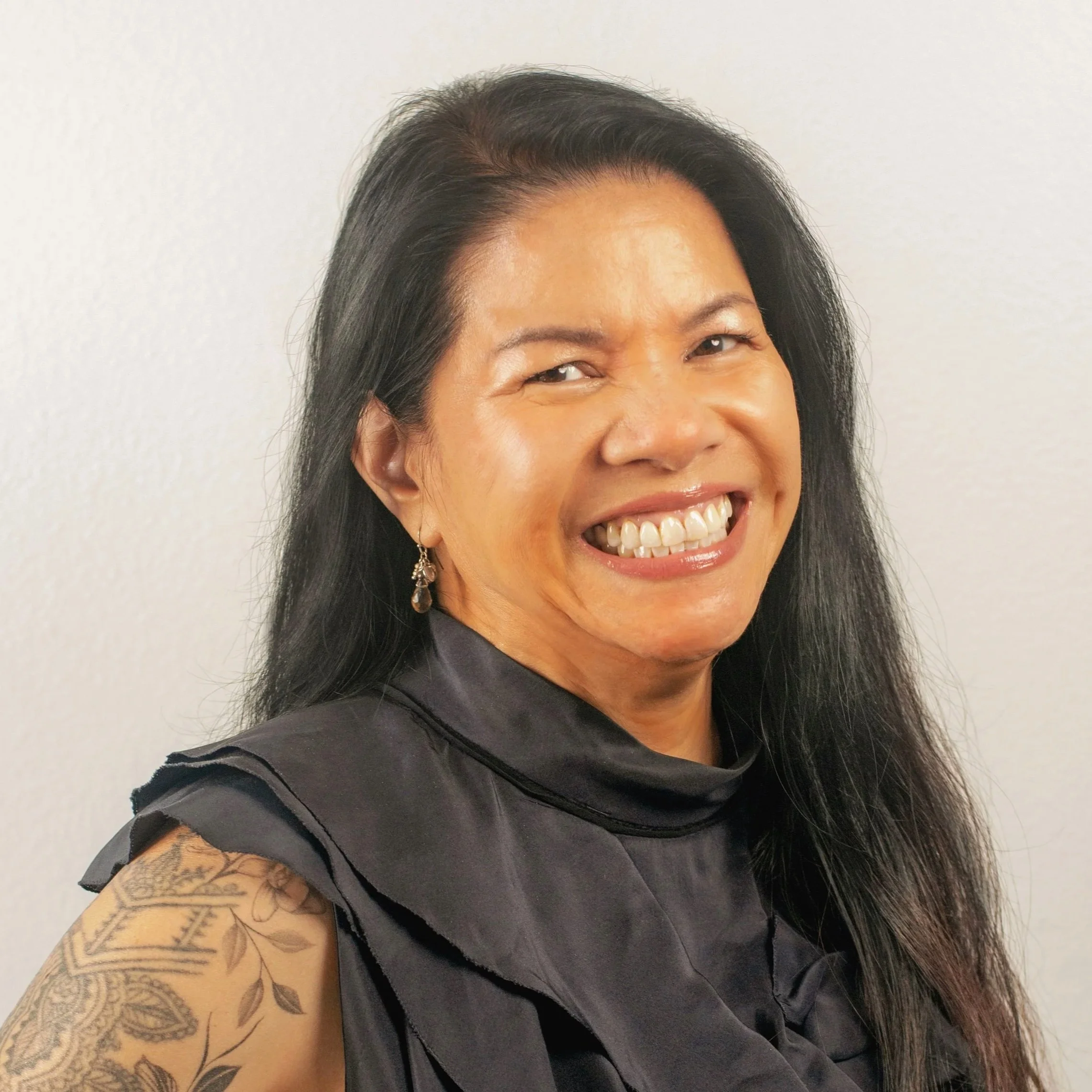
Rachel Elnar
Experience Strategy & Vision
Rachel doesn’t just design events—she designs the experience of being in them. She knows exactly where a room loses energy, trust, and momentum—and how to get it back. She built STREAM because the framework she needed didn’t exist. -
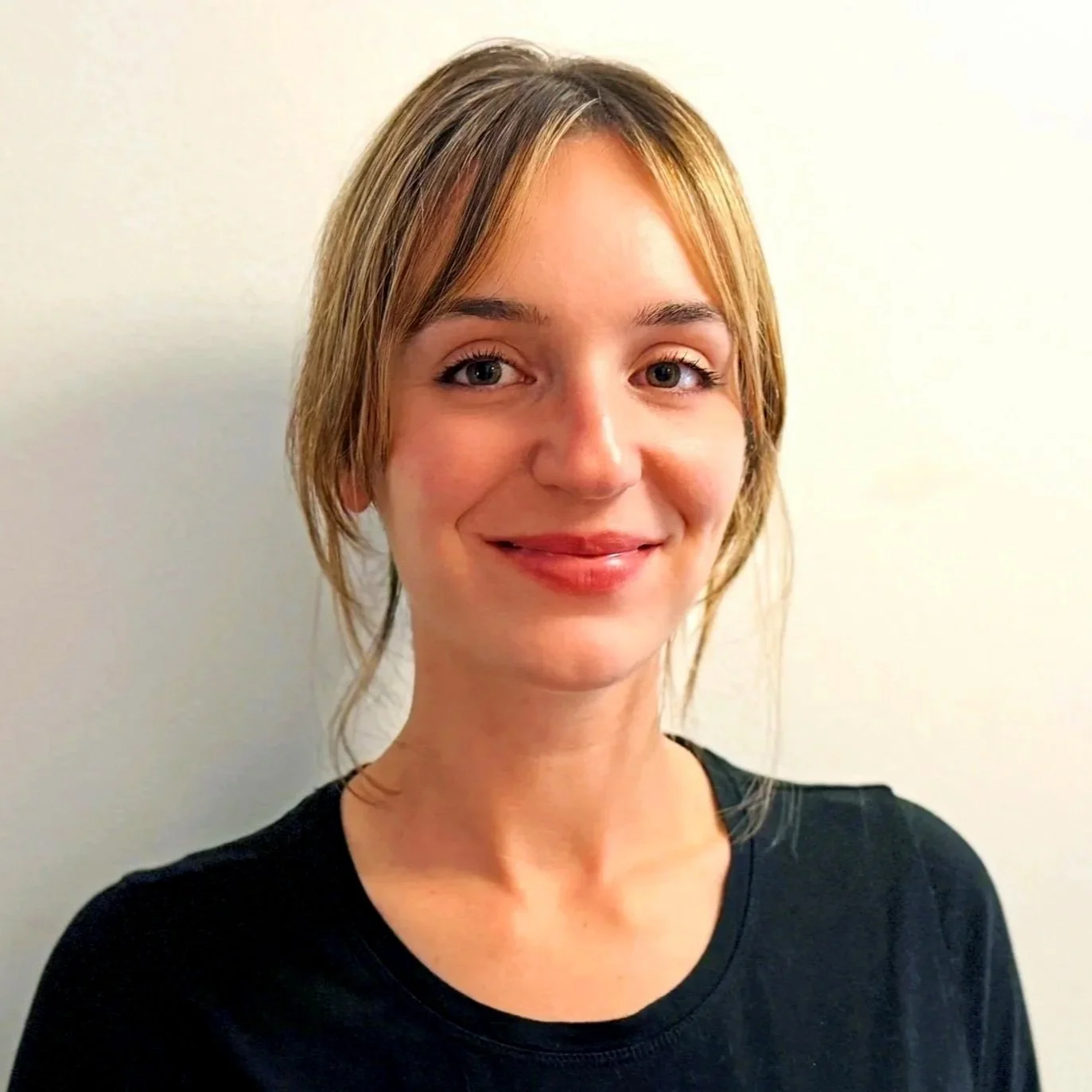
Heather Kreimerman
Operations & Delivery
Heather is the person who makes a well-run room look easy. She designs the workflows, clarifies the roles, and builds the infrastructure that lets everyone else—the host, the speaker, the audience—do their best work. When it feels effortless, that’s Heather. -
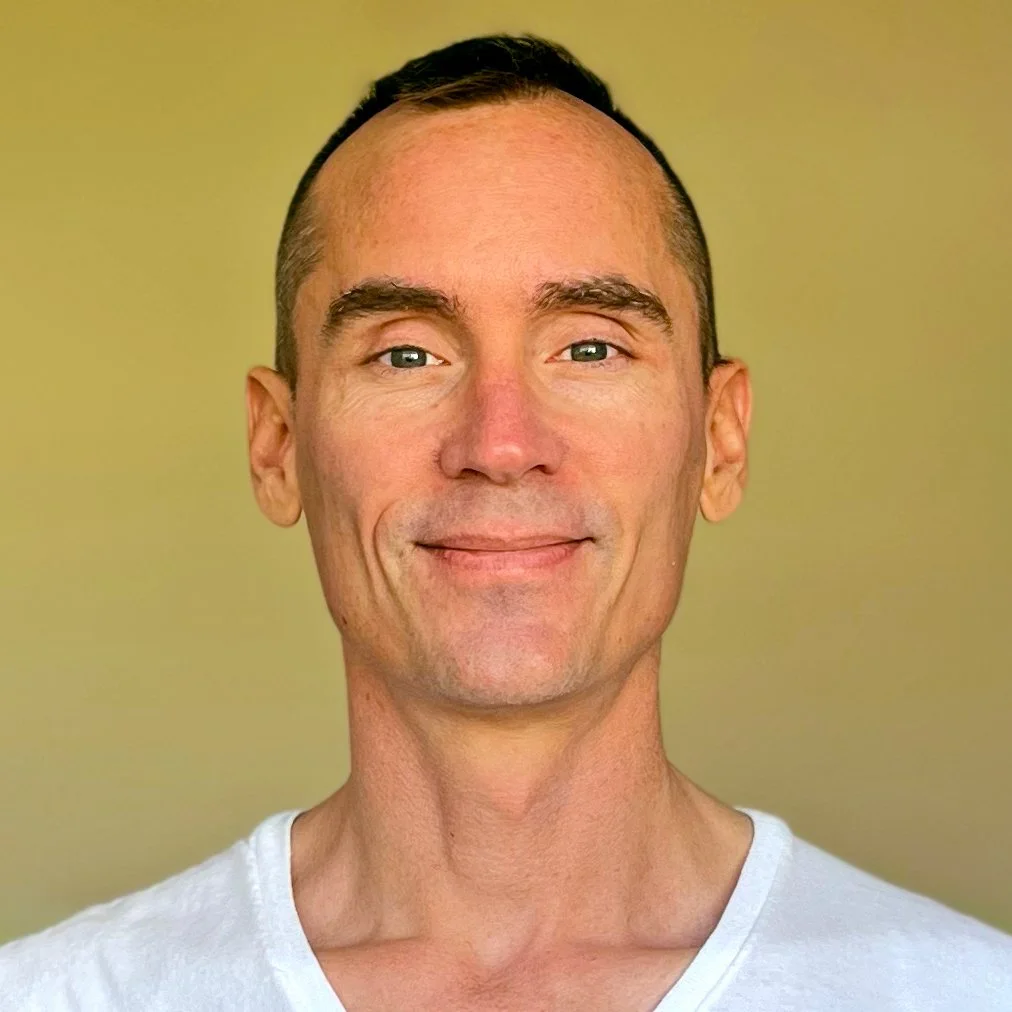
David Carr-Berry
Direction & Execution
David knows how content should land—and how to make sure it does. He translates ideas into direction, pacing, and presence, and when things go sideways live, he’s already thought through the plan. When the room holds, even when it shouldn’t—that’s David. -
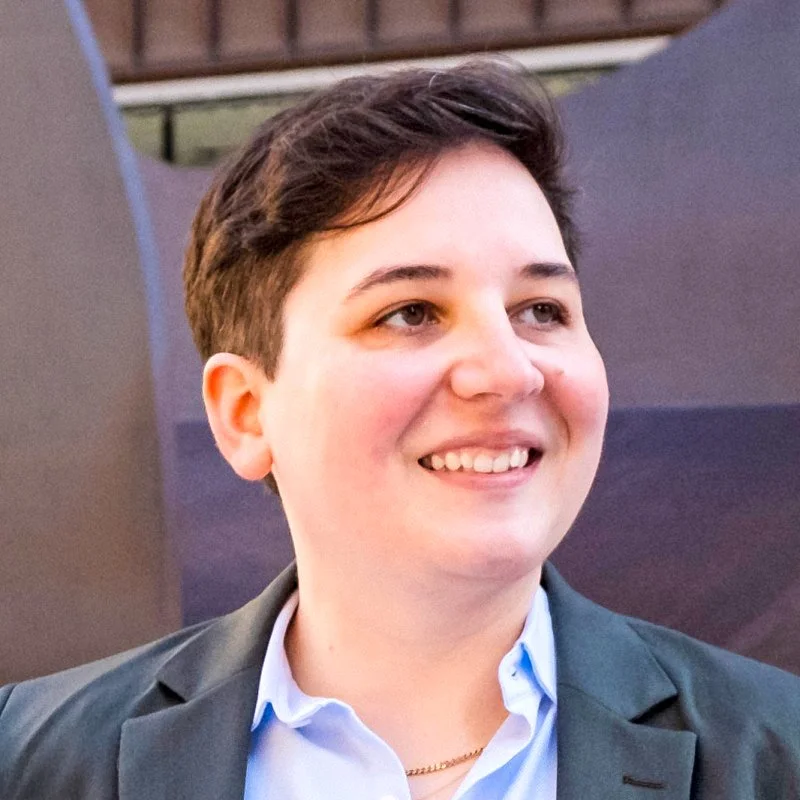
Jordan Hall
Narrative & Positioning
Jordan is the person who finds the language that makes an idea stick. She shapes story frameworks, develops on-brand positioning, and pressure-tests concepts until what’s left is something you can confidently stand behind. That clear narrative? That’s Jordan’s work.
We built the STREAM framework because we needed it and it didn’t exist.
Stop running digital events on instinct.
Everything you’ll learn came from our experience running 400+ digital events and learning from what went wrong, how we fixed it, and all we wished we’d known earlier.
You don’t have to learn it the hard way.